
From nourishing crops to producing antibiotics and even cleaning up pollution, the tiniest micro-organisms living in our soil are doing big things for our health and the planet. These microbes include bacteria, fungi, and other microscopic life forms too small to see. But who exactly are these helpful microbes? Let’s meet a few and take a look at what they’re up to – right in our own backyards!
Streptomyces: medicine makers
If you’ve ever taken an antibiotic like streptomycin, erythromycin, or tetracycline, you have Streptomyces to thank. These filamentous bacteria live in rich, earthy soils – in fact, they’re what give soil that “fresh dirt” smell after rain. In the wild, they produce antibiotic compounds to deter the growth of other microbes and protect their own population, but humans harness this ability for medical purposes. Since the 1940s, Streptomyces species have been the main producers of natural antibiotics. Beyond antibiotics, some Streptomyces species also promote plant growth by producing hormones that boost root development. It’s safe to say that without these soil dwellers, modern medicine would look very different.

Rhizobia (and friends): nitrogen fixers
Legumes such as peas, beans, and clover have a special relationship with microbes in the group called rhizobia (which includes strains of Bradyrhizobium and Rhizobium). Rhizobia bacteria form little nodules on the roots of legume plants, where the bacteria take nitrogen from the air and convert it into a form plants can use. Legume nodules are essentially natural fertilizer factories, underground! Rhizaobia were first identified in the late nineteenth century when scientists noticed certain crops thrived in poor soils where others failed. Legumes with their microbial partners reduce the need for chemical fertilizers – they support global food security while keeping ecosystems more sustainable. And in your backyard…maybe some clover in your lawn mix isn’t such a bad thing after all.

What about other plants besides legumes, like the grass in your yard? They have a nitrogen-fixing ally too called Azospirillum brasilense. Rather than inducing nodule formation, this species of bacteria lives independently in the soil around plant roots, where it both fixes nitrogen and produces plant hormones that stimulate root growth. Studies have shown it can improve drought tolerance—a major win for lawn care in hot summers. Originally isolated in Brazil (hence the species name brasilense), this bacterium is now used worldwide in biofertilizers especially for crops in the grass family such as wheat, corn, and rice.
Bacillus and Pseudomonas species: root protectors
Bacillus subtilis has been called “Swiss Army Knife” in biotechnology because of its many capabilities! In soil, B. subtilis is a hardy, spore-forming bacterium known for defending plant roots from harmful pathogens. It does this by producing natural antibiotics and forming a protective biofilm around roots to outcompete pathogens. As a plant-growth promoting microbe, it also increases nutrient absorption and tolerance to stress such as salt. It secretes plant hormones and other natural chemicals that enhances growth and yield. Scientists have been closely working with B. subtilis since 1835, and it was even named “Microbe of the Year” in 2023.
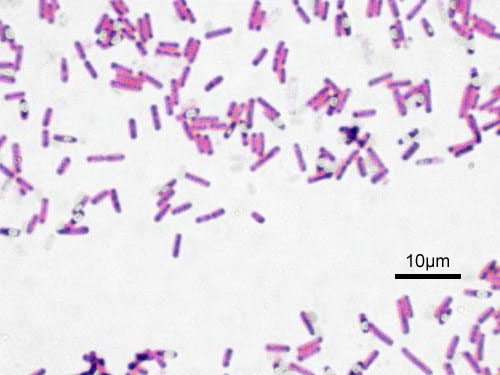
Playing a similar role in soil, Pseudomonas fluorescens protects plant roots by outcompeting disease-causing fungi and bacteria. Additionally, P. fluorescens has the ability to break down pollutants, so scientists are working to deploy it intentionally to detoxify soils contaminated with pesticides or petroleum compounds. This strategy of environmental cleanup via living organisms is called bioremediation.
Bacillus thuringiensis: natural pesticides
Bacillus thuringiensis, or Bt for short, has many fans among gardeners and farmers. This bacterium produces a toxin that only harms certain insects (specific caterpillars, beetles, or others, depending on the strain of Bt) but is safe for humans, pets, and most non-target insects such as pollinators. Because of this, Bt sprays are an effective example of OMRI-certified organic pest control. Scientists first isolated Bt in 1901 from diseased silkworms, and it has since become one of the most widely used biopesticides in the world.
https://www.domyown.com/fertilome-caterpillar-killer-with-bt-p-26795.html?sub_id=26794
Trichoderma harzianum: a friendly fungus
Not all fungi are bad news. Trichoderma harzianum strain T-22, or just T22 for short, is a plant-friendly fungus that attacks other fungi to prevent diseases such as root rot, damping-off, and Fusarium wilt. Scientists at Cornell University bred T22 by crossing two beneficial fungi to produce an even more protective partner for plant roots. After colonizing a plant’s roots, T22 acts as a guard against infection by forming a physical barrier and releasing enzymes that dissolve the cell walls of other fungi. Since it grows well in warm weather, T22 is most helpful in summertime to protect garden vegetables, flower beds, and grain crops alike. Sometimes, the best defense against a bad fungus is a good fungus.

Whether you’re tending a backyard garden or just walking through a park after rain, remember that beneath your feet are billions of invisible allies hard at work in ways humans are just starting to understand. When you add compost and organic matter to your soil or use gentle cultivation methods, you’re fostering healthy microbial communities and tending your plants all at once. The benefit of fertile soil isn’t just from its nutrient content, it’s from its microbial life as well!
Comments
0 comments
Please sign in to leave a comment.