
To till or not to till? That is the question!
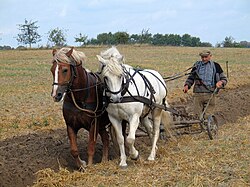
Tillage has long been an iconic aspect of agriculture: from the traditional ox-drawn plow, to modern tractors with multi-furrow attachments and specialized cultivators, to a home gardener tending a small plot with a hoe. But what does all that hard work accomplish? When is tillage most beneficial, and how often should it be done?
 |
 |
Different tillage strategies share the same goals: break up clods, mix the soil, and pull up weed roots. This laboro-intensive process has a number of short-term benefits, especially during spring preparations:. Specifically, it aerates the soil, which stimulates organic nutrient release; it removes weeds; and it adds leftover organic matter (crop residues) or other fertilizers deeper into the soil, where they’ll gradually break down and restore fertility.
However, when repeated year after year, intense tillage is ultimately detrimental to soil health. While the soil might seem looser after tilling, the soil structure has been destroyed in the process, leading to erosion and even worse compaction in the future. This is especially an issue for fall tillage, which leaves the soil bare and exposed all winter until spring growth starts again. And since tillage achieves nutrient release by stimulating breakdown of extra organic matter, it gradually depletes soil organic matter reserves. Not to mention it’s a lot of work when done by hand and a lot of fuel when done by machine! For these reasons, many farmers and gardeners have been moving away from tillage in recent years towards alternatives that can get the job done without the long-term negative impacts.
_leaf_litter.jpg)
Aerate without inversion. Fall is a great time for aeration if you need to break up compaction in your soil. For small plots, this can be done using a broadfork or other tools with spikes. This way, you get the benefits of loosening soil and access to oxygen without destroying soil structure.
Suppress weeds before they sprout. If your garden looks messy with dead stalks and leaves after this year’s harvest, leaving them be can work in your favor! You can even add fall leaves from your yard or other kinds of mulch to cover the soil. This has the triple benefit of blocking weed seeds from spouting, protecting from erosion, and adding organic matter to your soil.
Earthworms: nature’s tillers! Healthy soil is full of life and critters that will mix the soil and bring organic matter down from the surface without you lifting a finger. Earthworms are a perfect example of this. Their tunnels aerate the soil and improve water infiltration, and their digestive process releases nutrients and builds soil structure. Unfortunately, plowing activity can kill earthworms and destroy their burrows. No-till farms can easily have twice as many earthworms as similar farms that use tillage.
For home gardens, there’s a happy medium between the intense, destructive activity of a rototiller and completely leaving the land as it is. Work smarter, not harder! Which of these techniques might you try this fall?
Comments
0 comments
Please sign in to leave a comment.